
Expert Picks For Concrete Floor Repair Materials
Learn about top-rated products trusted by professionals to efficiently repair and reinforce your concrete floors.
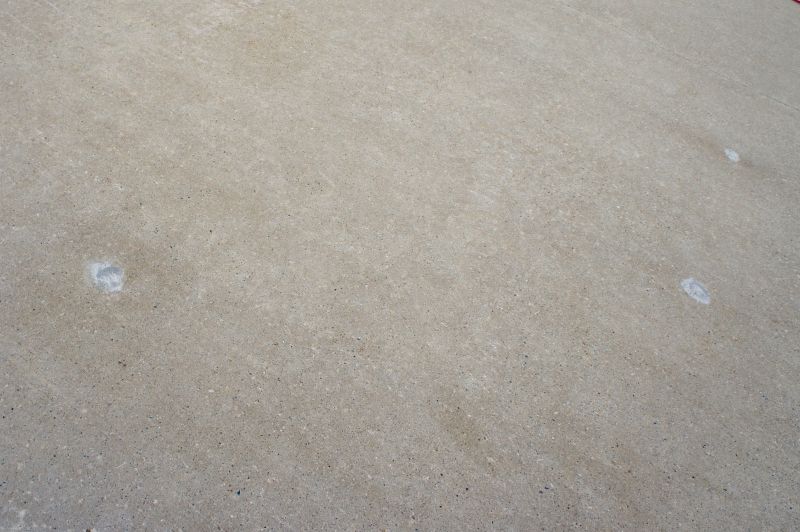 Concrete floor repairs are essential for maintaining the integrity and appearance of both residential and commercial spaces. When cracks, spalling, or uneven surfaces develop, selecting the right repair products can help restore durability and safety. Repairing concrete floors involves understanding the nature of the damage, the underlying causes, and the appropriate materials to address specific issues. From small cracks to large surface damages, there are a variety of products designed to effectively fill, seal, and reinforce concrete surfaces.
Top Overall Option
High-Performance Concrete Repair Compound
A versatile and durable repair compound that adheres well to existing concrete surfaces, suitable for filling cracks, spalls, and surface imperfections. It offers easy mixing and application, with a fast-setting formula that allows for quick repairs. This product is designed to provide a strong bond and long-lasting finish, making it a reliable choice for various repair needs.
Types of Products For Concrete Floor Repairs
Concrete Crack Filler
Specialized products formulated to fill and seal cracks in concrete surfaces, preventing further deterioration.
Concrete Patching Compound
Materials designed to repair larger surface damages, spalls, and holes, restoring surface integrity.
Epoxy Resin for Concrete
High-strength epoxy resins used for structural repairs and bonding new concrete to old surfaces.
Polyurethane Sealant
Flexible sealants ideal for sealing joints and minor cracks, providing moisture resistance.
Self-Leveling Underlayment
Products that create a smooth, even surface for flooring installation over damaged concrete.
Concrete Resurfacer
Thin overlays that restore surface appearance and provide additional protection.
Waterproofing Sealers
Coatings that prevent water infiltration and protect concrete from moisture-related damage.
Bonding Agents
Primers that improve adhesion between old and new concrete layers.
Fiber Reinforced Repair Mix
Concrete repair mixes infused with fibers for added strength and crack resistance.
Patch and Level Compounds
Ready-to-use compounds for quick patching and leveling of uneven surfaces.
Quick-Set Concrete Mix
Fast-curing concrete mixes suitable for urgent repairs and small projects.
Concrete Densifiers
Chemical treatments that harden and strengthen the surface of existing concrete.
Control Joint Sealants
Products designed to seal expansion and control joints in concrete floors.
Anti-Slip Coatings
Surface treatments that enhance traction and safety on concrete floors.
Surface Bonding Agents
Adhesives that improve the bond between existing concrete and new overlays.
Popular Choices
Widely used for sealing small cracks and preventing water penetration.
Commonly selected for repairing surface imperfections and spalls.
Favored for structural repairs and bonding applications.
Popular for flexible sealing of joints and minor cracks.
Often chosen for preparing floors before finishing or overlaying.
Used frequently to restore aesthetics and surface smoothness.
Commonly applied to protect floors from moisture damage.
Popular for enhancing adhesion of overlays and repairs.
Selected for its added crack resistance and durability.
Preferred for quick and easy surface repairs.
Valued for fast curing times on urgent repairs.
Used to strengthen and harden existing concrete surfaces.
Chosen for managing expansion joints effectively.
Popular for enhancing safety on high-traffic floors.
Commonly used to ensure strong adhesion of overlays.
Choosing the right repair products depends on several factors including the extent of damage, the location of the repair, and the desired finish. Some products are formulated for quick setting and ease of application, making them suitable for DIY projects. Others may require more detailed preparation or professional expertise but offer long-lasting results. Proper surface preparation, including cleaning and roughening the area, is crucial for optimal adhesion and durability.
In addition to patching compounds, there are sealers and coatings that can help prevent future damage by providing a protective barrier against moisture and wear. For structural repairs, epoxy-based products are often recommended for their strength and bonding capabilities. It is important to select products compatible with existing concrete and to follow manufacturer instructions carefully for the best results. Regular maintenance and timely repairs can extend the lifespan of concrete floors and preserve their functionality and appearance over time.
Key Buying Considerations
- Assess the extent and type of damage to determine the appropriate product.
- Consider whether the repair is structural or cosmetic to choose suitable materials.
- Evaluate the curing time and whether a fast-set product is necessary for your schedule.
- Check compatibility with existing concrete and other repair materials.
- Determine if the product offers moisture resistance or waterproofing features.
- Decide if a bonding agent or primer is needed for better adhesion.
- Look for products that match the finish and texture of the surrounding surface.
- Consider ease of application, especially if undertaking a DIY repair.
- Ensure the repair product is suitable for indoor or outdoor use based on location.
- Review manufacturer instructions for surface preparation and application details.
- Think about long-term durability and resistance to wear and environmental factors.
- Evaluate the need for additional sealing or protective coatings after repair.
- Check for compatibility with floor coverings such as tiles, epoxy coatings, or carpet.
- Assess the product's flexibility if the repair area is subject to movement or expansion.
- Determine the budget and compare the cost-effectiveness of different options.